Here are a few real-life examples illustrating how businesses around the world are harnessing AI to stay ahead across various sectors.
1. Enhanced Efficiency & Automation
AI can handle routine or time-consuming tasks, freeing employees to concentrate on strategic, high-value responsibilities.
Real-Life Example:
A large e-commerce retailer employs AI-powered chatbots to manage basic customer inquiries 24/7, reducing wait times and allowing human agents to focus on more complex problems.
2. AI Telephone Receptionists (24/7, Multilingual)
An AI-driven telephone receptionist can handle calls at any time of day, provide general information, schedule appointments, or even route urgent issues to the right department, all in multiple languages. This dramatically cuts costs compared to a round-the-clock call centre and significantly improves customer satisfaction, particularly in businesses serving diverse communities.
Stress Reduction for Human Agents
Handling complaints or repetitive queries can take a toll on human call centre staff. An AI receptionist filters out routine calls, like general enquiries or appointment bookings, before escalating complex or sensitive issues to a human. This alleviates stress on staff, reduces turnover, and ensures callers always speak to the right person when needed.
Real-Life Example: Global Hotel Chain
An AI phone system greets callers in their chosen language, checks room availability, and handles reservation changes without involving a human operator, dramatically reducing waiting times and operational costs.
Real-Life Example: Healthcare Provider
A private clinic uses an AI phone agent for appointment scheduling in English, Spanish, and French. Patients can call any time of day, book or reschedule appointments, and even receive automated reminders in their preferred language.
3. Improved Decision-Making
AI-driven analytics provide real-time insights, helping businesses make informed decisions and accurately forecast future trends.
Real-Life Example:
A global ride-sharing service employs machine learning models to anticipate demand based on factors like local events or weather forecasts, enabling dynamic pricing and optimal driver dispatch.
4. Cost Reduction & Resource Optimisation
AI minimises human error and streamlines workflows, cutting operational costs. Automated processes allow for better resource allocation and improved overall efficiency.
Real-Life Example:
A multinational supermarket chain uses AI to predict consumer demand and optimise inventory, drastically reducing waste and unnecessary storage costs.
5. Enhanced Customer Experience
AI-driven tools—chatbots, virtual assistants, and AI phone receptionists—provide prompt, round-the-clock service in multiple languages, tailoring responses to customer preferences.
Real-Life Example:
An online travel booking platform leverages an AI recommendation system that analyses past user behaviour to suggest personalised holiday packages, increasing both conversion rates and user satisfaction.
6. Scalability & Competitive Advantage
AI enables businesses to scale core processes without incurring massive new overheads—helping them move into new markets while staying efficient.
Real-Life Example:
A digital marketing firm employs AI-driven campaign management software to juggle thousands of simultaneous ad variations, expanding globally without a proportional increase in staffing costs.
7. Security & Fraud Detection
AI models detect anomalies in real time, enabling swift responses to cyber threats and fraudulent activity—protecting both businesses and their customers.
Real-Life Example:
A major credit card company uses AI-based fraud detection to quickly recognise unusual spending patterns and block suspicious transactions before losses mount.
8. Predictive Maintenance (Factories & Manufacturing)
By analysing sensor data from factory machinery and production lines, AI can forecast mechanical issues before they occur, reducing downtime.
Real-Life Example:
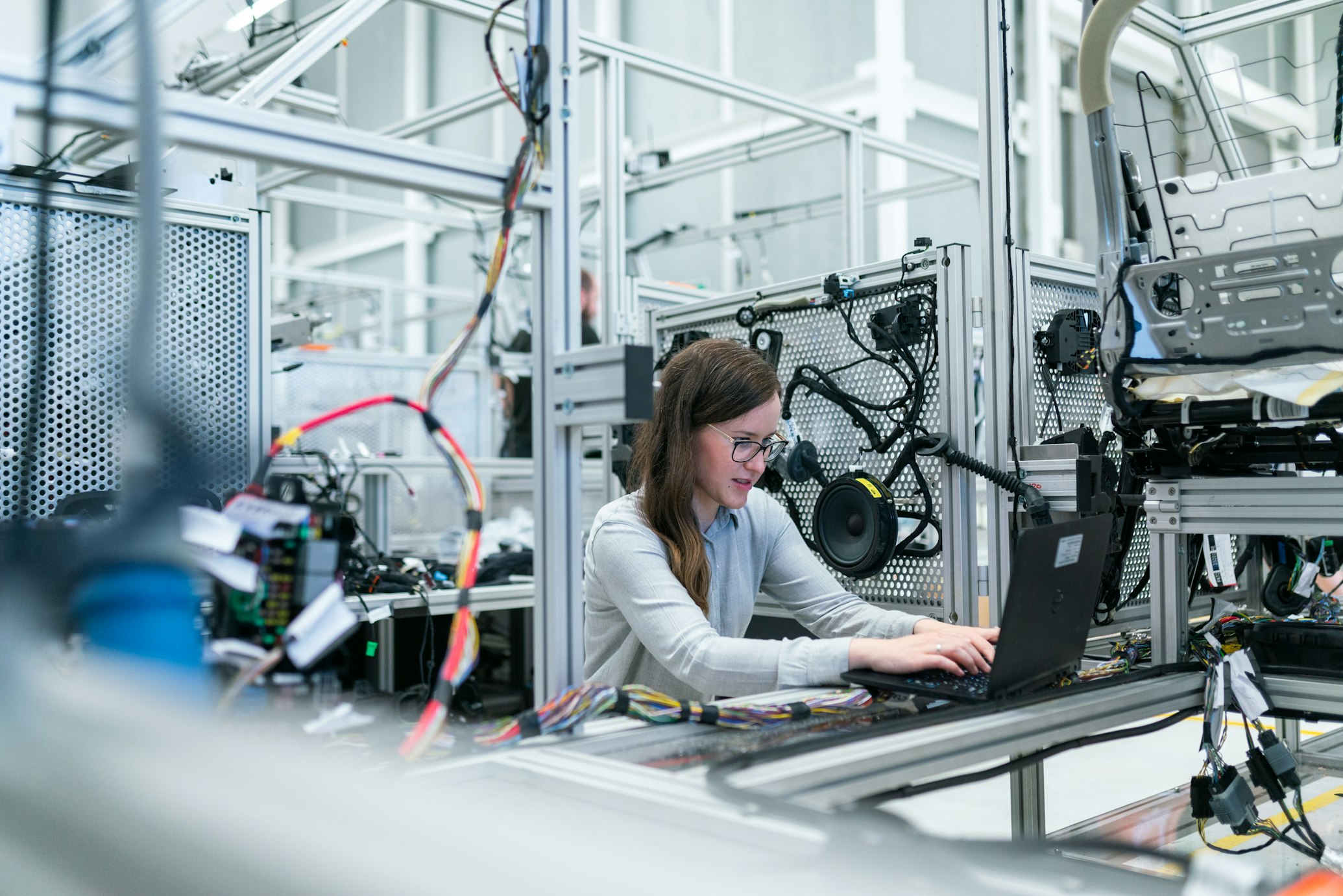
A car-manufacturing plant monitors vibrations, heat output, and operational times. When AI predicts an impending fault on an assembly line robot, maintenance staff can act preemptively, avoiding costly production delays.
9. Improved Knowledge Management & Collaboration (Education Sector)
AI can swiftly sort through large volumes of research, documents, and study material, helping educators and administrators focus on curriculum development and student welfare.
Real-Life Example:
A university library system uses AI to catalogue and retrieve digital resources, enabling students and faculty to find relevant articles or e-books within seconds.
10. Personalised Marketing & Sales
Machine learning algorithms analyse customer behaviour to deliver precisely targeted promotions or product recommendations.
Real-Life Example:
A streaming platform suggests films and TV series based on viewing history and ratings, boosting user engagement and subscription renewals.
11. Enhanced Employee Satisfaction & Retention
By automating mundane tasks, AI frees employees to engage in creative or strategic work, improving morale and lowering turnover.
Real-Life Example:
An HR department automates payroll and scheduling, enabling staff to devote time to employee development programmes.
12. Accelerated Innovation & Time-to-Market (Construction Industry)
AI can rapidly evaluate project blueprints, material efficiency, and scheduling to reduce the total construction time.
Real-Life Example:
A construction firm uses AI-driven project management software to detect potential building design errors, optimise material orders, and coordinate teams in real time—leading to faster project completion and reduced waste.
13. Sustainability & Environmental Impact
AI can optimise resource consumption and minimise waste, fostering more sustainable business practices.
Real-Life Example:
A smart building system applies AI to regulate temperature, lighting, and ventilation based on occupancy, slashing energy costs while lowering the carbon footprint.
14. Real-Life Examples for the Medical & Dentistry Sectors
Medical and dental practices can benefit tremendously from AI implementation in various aspects of their operations.
Medical Practice:
AI-assisted diagnostics help doctors quickly identify abnormalities in scans (e.g., X-rays or MRIs). Receptionist bots schedule appointments and manage patient follow-ups in multiple languages, giving medical staff more time for patient care.
Dentistry:
Dental clinics use AI imaging tools to detect early signs of tooth decay or gum disease. Meanwhile, an AI phone assistant can handle emergency calls after hours and direct them to the nearest on-call dentist.
Whether it's managing patient appointments in a dental clinic, monitoring production lines in a factory, or handling customer queries via an AI telephone receptionist, the potential of artificial intelligence to optimise processes, improve customer satisfaction, and reduce costs spans virtually every industry. By incorporating AI-driven tools like 24/7, multilingual phone receptionists, businesses not only ease the workload on human staff but also elevate service quality to meet the global market's growing demands.
 Translate